In July, I had the pleasure of leading a workshop with the CoMA1 Leeds group, exploring how digital tools can open up new possibilities for collaborative music-making. The session brought together musicians of varying abilities and disciplines, all contributing to a shared process of improvisation, listening, and creation.
At the heart of the workshop was a simple idea: anyone can shape sound, and digital technology can act as both an instrument and a canvas for collective expression.
A Collaborative Approach to Digital Music-Making
My approach to the workshop combined three key elements:
- Accessible digital tools
- Structured improvisation
- Collaborative listening and reflection
Rather than focusing on technical perfection, the aim was to create an environment where participants could experiment freely, using digital software as an extension of their musical instincts.
Participants generated sounds using a combination of instruments which were then captured, layered, and transformed using digital software.
From Sound to Structure: The Workshop Process
The workshop unfolded in several stages:
1. Sound Exploration
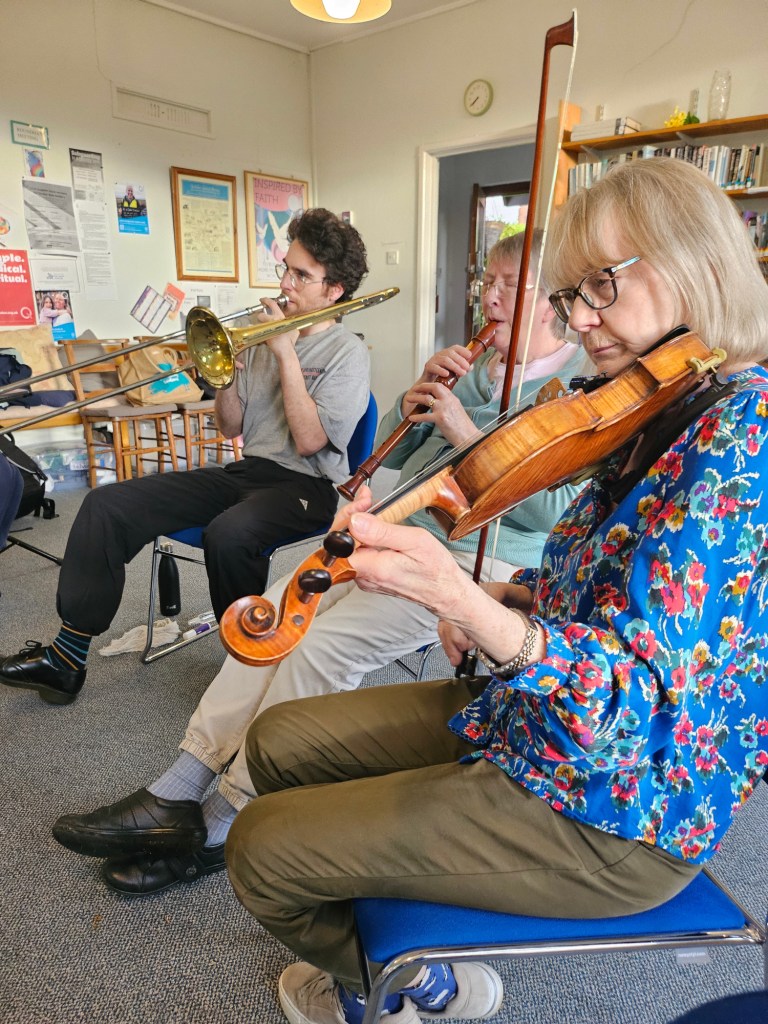
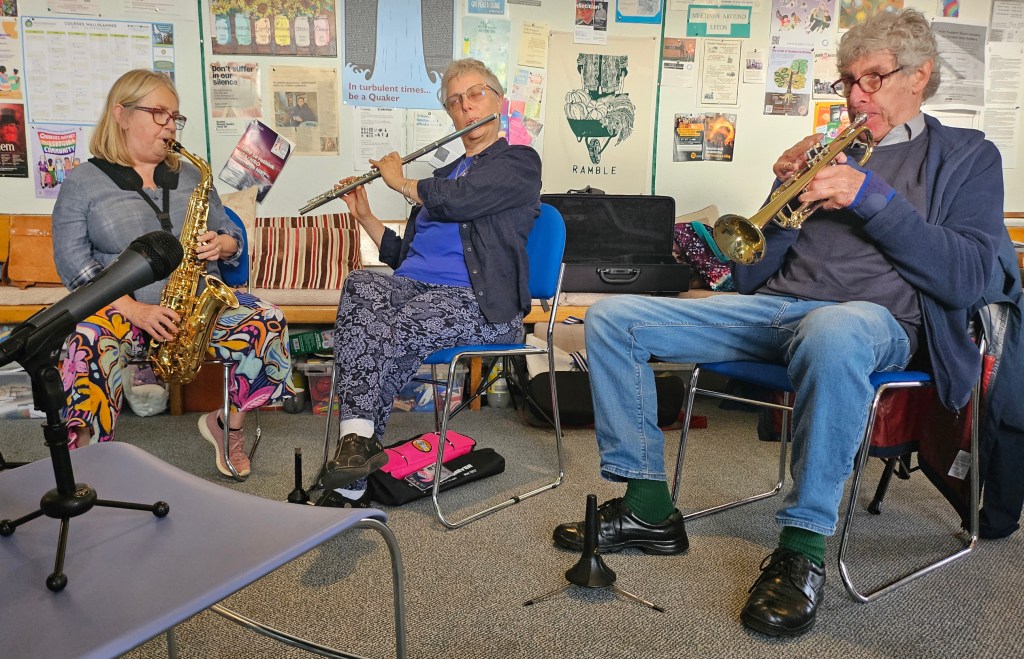
We began by exploring individual sounds—short musical phrases or fragments. Dividing the ensemble into three trio, with each group given a tonal centre to work from planned to play a short improvisation together on their instruments.
2. Improvisation in Groups
Participants worked in small groups, improvising in response to each other. The focus here was on:
- Listening deeply
- Responding rather than leading
- Embracing unpredictability
This stage allowed musical ideas to emerge organically.
3. Recording and Collecting Material
Each group’s improvisation was recorded separately, forming a library of raw material.
4. Digital Editing and Composition
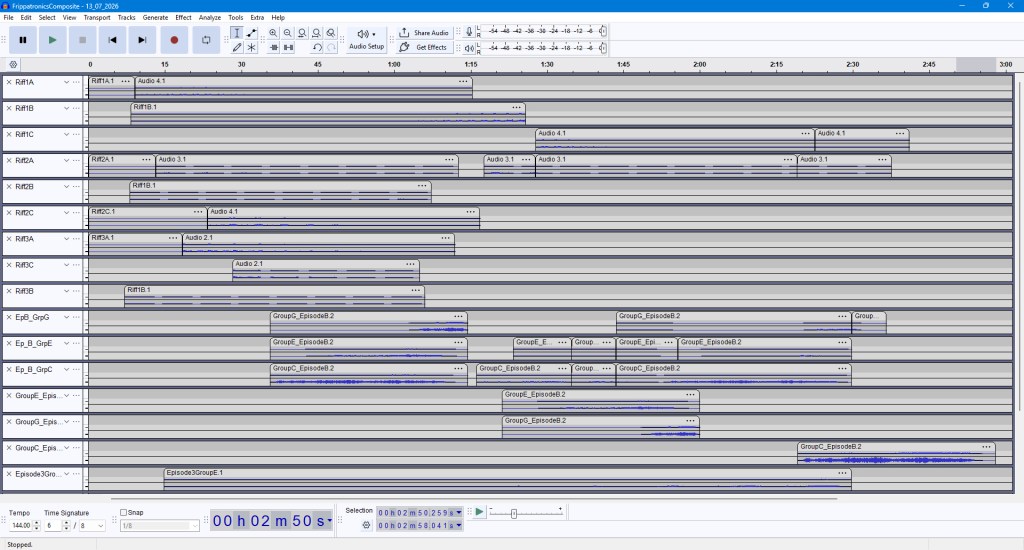
Using digital software, these recordings were edited, layered, and arranged into a draft composition.
This stage highlighted how:
- Small fragments can be transformed into larger structures
- Texture and atmosphere can emerge through layering
- Participants can revisit and reshape their improvisations
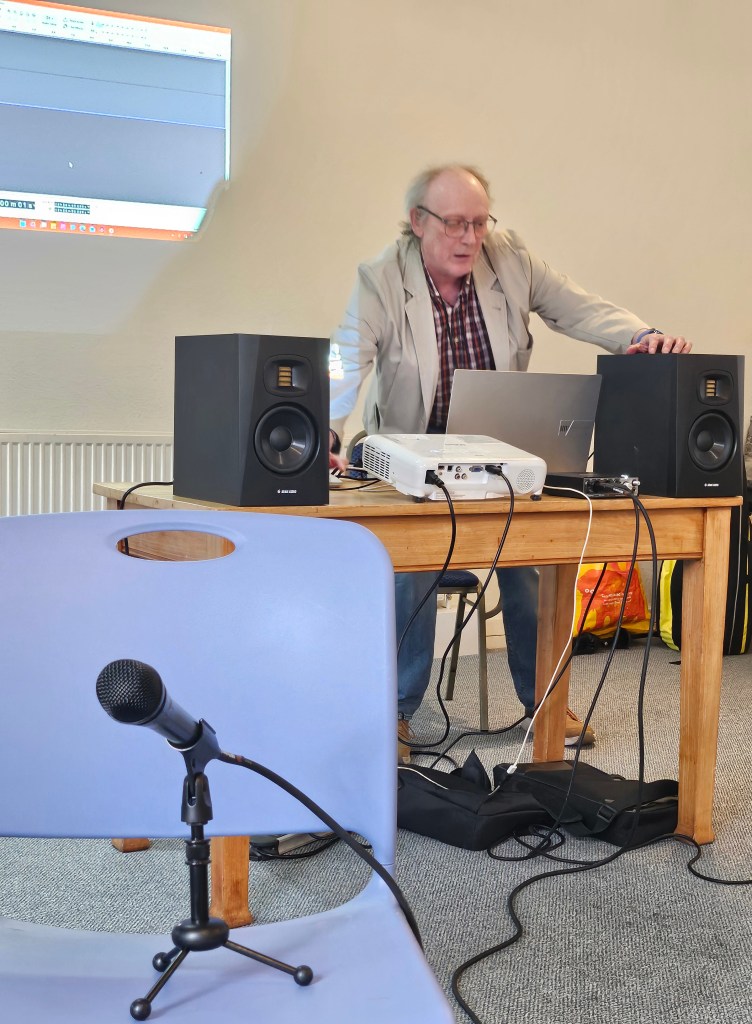
Listening Back and Individual Development: Sharing the Digital Audio Files
One of the most important aspects of the workshop was the opportunity for everyone to experiment with the library of audio files and hear the draft composition. The final piece represents my reworking of the recordings.
👉 Listen to the final composition here:
Reflections from the Workshop
Based on the workshop and my subsequent report, several insights stood out:
- Digital tools can lower barriers to composition
- Participants who may not typically compose music can contribute meaningfully.
- Improvisation builds confidence and connection
- The collaborative nature of the session fostered trust and openness.
- Editing is a creative act
- The transition from raw improvisation to structured composition revealed new possibilities within the material.
- Listening is central
- The success of the process depended on attentive listening as much as active playing.
Why This Approach Matters
This approach to music-making challenges traditional ideas about composition and authorship. By combining improvisation with digital tools, it becomes possible to:
- Create music that is inclusive and participatory
- Value process as much as outcome
- Encourage new forms of creativity and collaboration
For groups like CoMA Leeds, this offers a way to bring together diverse musical voices in a shared creative space.
Credits & Acknowledgements
- CoMA Leeds musicians
- Photographer Kate Moore
- Workshop facilitator, audio editing and production Vic Berry
- CoMA – Contemporary Music for All (CoMA.org) ↩︎

